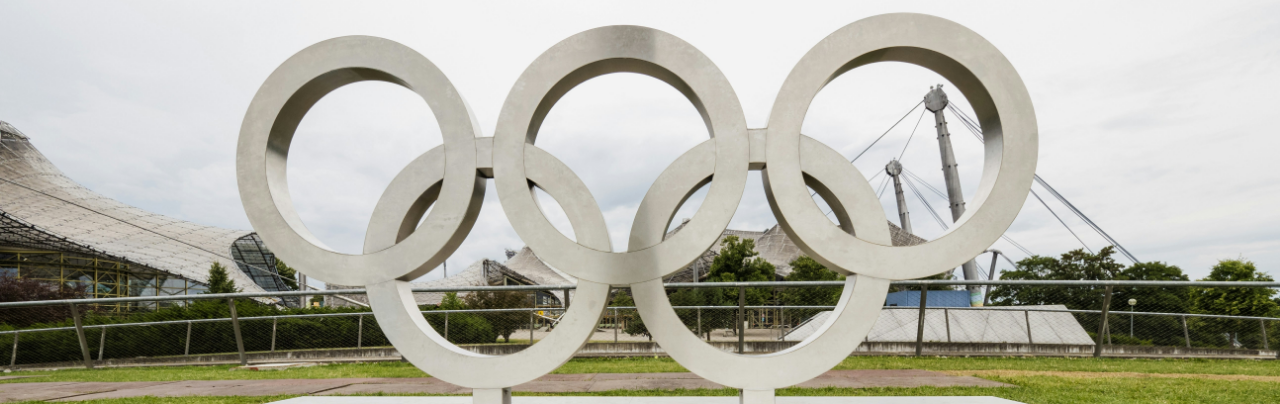
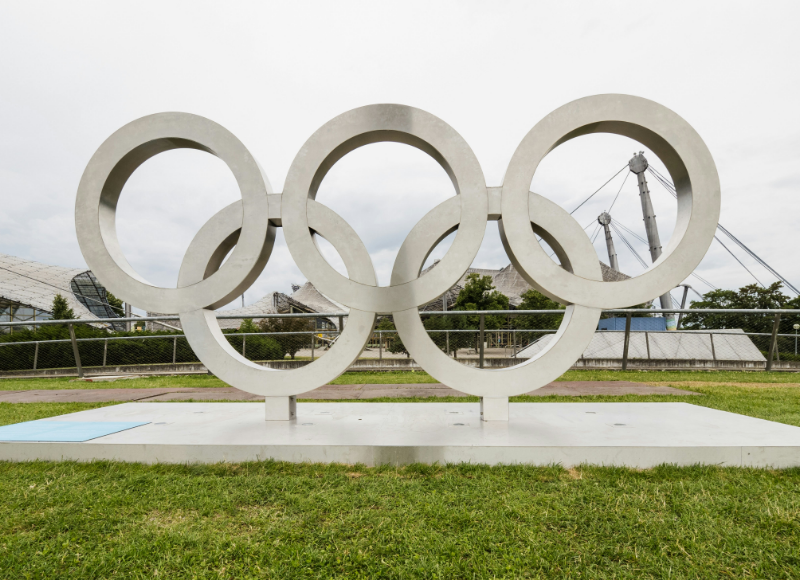


The 1972 Munich Olympics, intended to be a beacon of peace and a symbol of Germany’s post-World War II recovery, tragically turned into one of the darkest chapters in Olympic history. On September 5, 1972, a Palestinian militant group known as Black September infiltrated the Olympic Village, taking eleven Israeli athletes hostage. The ordeal, which ended in the deaths of all eleven hostages and a German police officer, profoundly impacted how the International Olympic Committee (IOC) and host nations approached security and risk management at the Olympics. This article delves into the IOC’s immediate response, how they managed the continuation of the Games, and the long-term evolution of their risk management strategies following the Munich massacre.
Setting the Scene: The Munich Games Before the Attack
The Munich Olympics were intended to showcase a new, peaceful Germany, starkly different from the militaristic image presented during the 1936 Berlin Olympics. Labeled the “Happy Games,” Munich 1972 was all about openness and goodwill, with minimal security presence to maintain a welcoming atmosphere. The Olympic Village was designed to be accessible, and the relaxed security measures reflected the Games’ optimistic ethos.
However, this lack of stringent security protocols created vulnerabilities. The open and inviting environment of the Olympic Village became an easy target for those with malicious intent.
The Attack: A Grim Reality Unfolds
In the early hours of September 5, eight members of Black September, disguised as athletes, scaled the fence of the Olympic Village. They broke into the apartments housing the Israeli team, killing two athletes and taking nine others hostage. The terrorists demanded the release of 234 Palestinians held in Israeli jails and two German radicals.
The German authorities, unprepared for such a crisis, scrambled to respond. Their efforts culminated in a disastrous rescue attempt at the Fürstenfeldbruck airbase, where all the hostages were killed along with a German police officer and five of the terrorists. This tragic outcome starkly revealed the inadequacies in the security and crisis management strategies in place at the Munich Olympics.
Immediate Response: From Tragedy to Decision
1. A Shocked Community and Initial Mourning:
In the immediate aftermath of the attack, the Games were suspended for 24 hours. A memorial service was held on September 6, attended by 80,000 spectators and numerous athletes. This period of mourning allowed the Olympic community to process the tragedy and honor the victims.
2. Deciding the Fate of the Games:
The IOC faced a critical decision: Should the Games be continued or canceled? After much deliberation, IOC President Avery Brundage announced that the Games would resume on September 7. His decision was rooted in a belief that the Olympic spirit must not be defeated by terrorism. Despite being controversial, the decision underscored a message of resilience and defiance against terror.
3. Heightened Security Measures:
Before resuming the Games, the IOC and German authorities implemented stringent security measures. These included increased surveillance, a stronger police presence, and stricter access controls within the Olympic Village and at all venues. These measures aimed to prevent further incidents and restore a sense of security among participants and spectators.
The Evolution of Risk Management Post-Munich
The Munich tragedy marked a watershed moment, prompting a fundamental shift in how the IOC and host countries approached security and risk management at the Olympics. Key changes included:
1. Creation of the Olympic Security Coordination Office:
In response to the Munich attack, the IOC established the Olympic Security Coordination Office. This body is responsible for developing and implementing comprehensive security plans for future Games, working closely with the host nation’s security agencies to ensure a cohesive approach to risk management.
2. Comprehensive Security Planning:
Subsequent Olympics saw extensive security planning, incorporating thorough threat assessments, intelligence gathering, and emergency response strategies. Host cities were mandated to develop detailed security plans covering venue security, athlete protection, and crowd management, all subject to rigorous evaluation and testing before the Games.
3. Coordination with National and International Agencies:
The IOC began collaborating closely with national governments and international security agencies to bolster preparedness. This coordination involved sharing intelligence, conducting joint exercises, and establishing robust communication protocols to respond effectively to potential threats. The integration of international expertise and resources has become central to Olympic security.
4. Enhanced Training and Equipment:
Host countries invested heavily in specialized training for security personnel, with a focus on counterterrorism, crowd control, and crisis management. Advanced technology, including surveillance systems, communication networks, and biometric identification, became integral to the security infrastructure, ensuring real-time monitoring and rapid response capabilities.
5. Security Zones Implementation:
Modern Olympic venues now feature multiple security perimeters to control access and monitor movement. These zones include secure areas for athletes and officials, restricted zones for accredited personnel, and public areas with enhanced screening procedures. This layered security approach minimizes risks and maintains a controlled environment.
6. Crisis Communication and Media Management:
The IOC developed protocols for managing communication during a crisis, including guidelines for media coverage to prevent the dissemination of sensitive information. This approach balances transparency with operational security, ensuring that media reporting does not compromise response efforts or public safety.
Case Studies: Evolving Security Strategies in Later Olympics
1. 1976 Montreal Olympics:
The first Olympics after Munich witnessed substantial changes in security. The Canadian government allocated significant resources to security, deploying the military to support civilian police. Security measures included controlled access to the Olympic Village, rigorous credentialing processes, and the establishment of an integrated command center to oversee security operations.
2. 1996 Atlanta Olympics:
The 1996 Atlanta Olympics exemplified further advancements in security measures. This event introduced sophisticated surveillance technologies, such as facial recognition systems and extensive video monitoring. Coordination with the FBI and other federal agencies enhanced threat detection and response capabilities. The security apparatus included a Joint Operations Center to coordinate efforts among various agencies.
3. 2004 Athens Olympics:
The 2004 Athens Olympics marked a significant leap in security planning, influenced by global terrorism concerns. The Greek government invested over $1.5 billion in security measures, deploying over 70,000 personnel and implementing a comprehensive surveillance network. This event also saw the integration of maritime and airspace security, reflecting a holistic approach to risk management.
Legacy of the Munich Olympics
The Munich attack was a pivotal moment in Olympic history, fundamentally altering the approach to risk management and security. The tragedy underscored the necessity of preparedness and proactive measures to safeguard athletes, officials, and spectators. Key legacies of the Munich Olympics include:
1. Integration of Security into Event Planning:
Security considerations have become integral to the planning and execution of major international sporting events. The IOC and host countries prioritize risk assessments and develop comprehensive strategies to mitigate potential threats, aiming to prevent incidents and ensure a safe environment for all involved.
2. Development of International Security Standards:
The lessons from Munich contributed to the establishment of international security standards for large-scale events. These standards encompass best practices in threat assessment, crisis management, and interagency coordination. The IOC collaborates with global security organizations to continuously update and refine these standards based on emerging threats and technological advancements.
3. Evolution of Crisis Management Protocols:
The Munich attack highlighted the need for effective crisis management protocols. Modern Olympics incorporate detailed emergency response plans, including evacuation procedures, medical support, and communication strategies. These protocols are regularly tested and updated to ensure readiness in the event of a crisis.
4. Strengthening of International Cooperation:
The IOC’s approach to security has evolved into a collaborative effort involving multiple stakeholders, including national governments, international security agencies, and private sector organizations. This emphasis on international cooperation enhances the ability to address security challenges comprehensively and effectively.
The 1972 Munich Olympics were a turning point in the history of risk management for large international events. The tragic attack by Black September exposed critical vulnerabilities in the existing security framework and prompted a comprehensive reevaluation of how to manage risks in such settings. The decision to continue the Games, despite the attack, demonstrated resilience and highlighted the need for enhanced security measures. Since then, the IOC and host countries have developed and implemented sophisticated risk management strategies, incorporating advanced technology, international cooperation, and robust crisis management protocols. These efforts aim to prevent similar tragedies and ensure the safety and success of the Olympic Games for future generations. The legacy of Munich serves as a constant reminder of the importance of vigilance, preparedness, and the continuous evolution of risk management practices in the face of evolving threats.