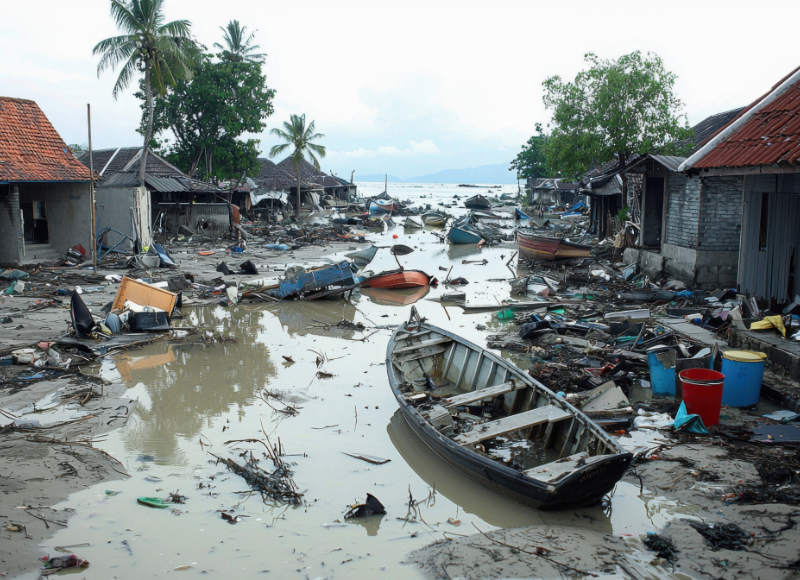
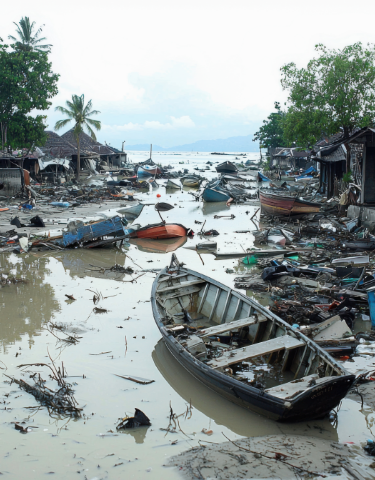


Disaster Risk Management (DRM) is a strategic approach that seeks to identify, assess, and mitigate the potential damage caused by catastrophic events. The nature of disasters, whether natural or man-made, is such that they are unpredictable and can be devastating. Therefore, preparation, mitigation, and recovery are all crucial parts of DRM. DRM is a subset of Enterprise Risk Management. Around the world, various strategies and practices have been established to better cope with these events. Below are some of the best global practices in disaster risk management, along with examples.
1.Risk Identification and Assessment:
Example: The Netherlands
The Netherlands, with much of its territory below sea level, has developed advanced flood risk assessment systems. These systems, integrating sophisticated data modeling and high-tech infrastructure, have enabled the country to effectively identify and assess the potential risks and mitigate the impacts of floods.
2. Resilient Infrastructure Design and Development:
Example: Japan
Earthquakes and tsunamis are frequent in Japan. To mitigate these threats, the country has incorporated resilient design and materials into its infrastructure. This includes earthquake-resistant building designs and tsunami barriers, making them less vulnerable to these disasters.
3. Community Engagement and Participation:
Example: Bangladesh
In Bangladesh, community-based flood warning systems have been established, empowering communities to take an active role in DRM. By involving local communities in risk assessment and mitigation processes, the warning systems have improved disaster readiness and resilience at the grassroots level.
4.Adaptive Land-Use Planning:
Example: New Zealand
After the 2011 Christchurch earthquake, New Zealand implemented changes to land-use planning to avoid or reduce the risks of future disasters. This included relocating certain developments to safer areas and upgrading building codes.
5. Early Warning Systems and Emergency Preparedness:
Example: Pacific Island Countries
Pacific Island countries, vulnerable to cyclones and climate-related risks, have developed effective early warning systems. These include weather monitoring technologies and communication systems to provide timely warnings to communities, enabling them to prepare and respond effectively.
6. Insurance and Financial Instruments for Risk Transfer:
Example: Caribbean Nations
The Caribbean Catastrophe Risk Insurance Facility (CCRIF) is a risk pooling mechanism that provides Caribbean nations with insurance coverage for hurricanes and earthquakes. It has been instrumental in providing quick financial aid post-disasters, aiding recovery efforts.
7. Integrating Disaster Risk Reduction into Development Planning:
Example: Colombia
In Colombia, a policy of “Risk-Informed Land Planning” has been established. It mandates the inclusion of risk assessments in land-use planning and territorial development, ensuring that disaster risk reduction is integrated into development efforts.
8. Robust Legislation and Policy Frameworks:
Example: Philippines
The Philippines, one of the world’s most disaster-prone countries, has established strong legal and institutional frameworks for disaster risk management. The Disaster Risk Reduction and Management Act of 2010 has institutionalized the country’s commitment to DRM at all levels of government.
These practices offer insights into the multifaceted and holistic approaches required to manage disaster risks effectively. The examples provide evidence that these methods work, and they serve as models for other nations developing their own DRM strategies. The key takeaway is that managing disaster risks requires a combination of advanced technology, robust policy, community involvement, and forward-thinking strategies, all aimed at reducing the impact of disasters on people and their livelihoods.