



Nandan Coffee is embedding sustainability into every stage of its farm-to-cup model, from biodynamic cultivation at Nandanvan Estate to renewable energy, water stewardship, biodiversity protection, and circular use of coffee waste. Viewed through a risk and sustainability lens, the brand is actively reducing environmental, social, and reputational risks while creating long-term resilience in its business and ecosystem.
From Desolate Land to Biodiverse Estate
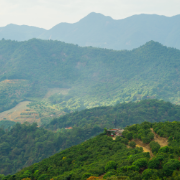
Nandanvan Estate in Kodaikanal was developed by the Mariwala family on land that was once largely desolate, and has since been transformed into a flourishing, biodiverse coffee estate. Today, the estate spans around 35 acres and is recognised as an early adopter of long-term biodynamic and organic coffee farming in India.
This transformation is a good example of risk management in agriculture, which mitigates several long-horizon risks:
- Land degradation and soil fertility risk are addressed through organic and biodynamic practices that build soil health over decades.
- Climate and ecosystem risks are reduced by maintaining tree cover and habitat, which stabilise micro-climate and support natural pest control.
Organic, Biodynamic and Water-Wise Farming
Nandanvan Estate was established in the 1990s and moved to organic farming in the early 2000s, remaining 100% organic to this day. The estate, a pioneer of biodynamic farming in India, processes all its coffee using harvested rainwater, operating as a sustainable business with water-processing that is fully self-sustained.
From a sustainability risk management angle, this delivers multiple controls:
- Eliminating synthetic agro-chemicals in coffee cultivation lowers health and contamination risks for workers, local communities, and downstream ecosystems.
- Reliance on harvested rainwater reduces exposure to groundwater depletion, water-scarcity shocks, and regulatory constraints on water use.
Shade-Grown Coffee and Biodiversity
Nandan Coffee’s estate follows a shade-grown model, with coffee cultivated under a canopy of trees such as avocados, rosewood, jackfruit and other species. The estate has become a refuge for wildlife including elephants, bison, monkeys and more than 20 species of birds, turning the farm into a living biodiversity corridor rather than a monoculture plantation.
Key risk and sustainability implications include:
- Maintaining tree cover and habitat helps with managing risks in farming, addressing both climate-transition and physical risks by enhancing carbon sequestration and buffering heat and rainfall variability.
- Supporting wildlife and biodiversity reduces reputational risk, particularly as global buyers increasingly screen for deforestation and ecosystem impacts in agricultural supply chains.
Renewable Energy and Farm-to-Cup Transparency
Nandan Coffee operates on a farm-to-cup model in which organic coffee is roasted and ground to order at the estate, including custom roasting of its blends. In line with this, the roasting process at Nandanvan has transitioned to 100% solar power, making the estate a fully solar powered farm and positioning this as a step towards a future net-zero carbon footprint and an aspiration to operate fully off-grid.
This approach addresses several modern enterprise risks:
- Energy-transition and carbon-price risk are mitigated by moving away from fossil fuel-based roasting towards renewable solar energy.
- Transparency and traceability from estate to café and retail channels reduce supply-chain integrity and ESG-disclosure risks as consumers and regulators demand clearer origin stories.
Packaging, Circularity and Coffee-Waste Innovation
Nandan’s farm-to-cup coffee is sold in 100% recyclable packaging, with resealable formats designed to preserve product freshness while minimising environmental impact. Beyond the core coffee business, Nandan has also developed an innovative livestock feed made from coffee waste, reflecting a circular farming philosophy around coffee production in India where husks and pulp are repurposed rather than discarded.
From a risk management perspective, this circularity reduces:
- Waste management and compliance risk by diverting organic by-products from landfills or unmanaged dumping into value-added agricultural inputs.
- Resource-efficiency and cost risks by extracting additional value from existing biomass, cushioning the business against commodity price volatility and input cost spikes and thereby strengthening financial risk management.
Social Impact, Community and Governance
Nandan Coffee’s ethos spans beyond product quality to “improving communities at every stage of the coffee supply chain” and “uplifting communities” through sustainable farming techniques and experiences that respect the environment. The enterprise reflects three generations of family stewardship, with the founders Hansraj and Hansa Mariwala and the current leadership continuing a shared commitment to sustainability and biodiversity conservation.
This multi-generational structure and community focus create important governance and social risk mitigation foundations:
- Long-term family stewardship typically aligns incentives with land preservation, worker welfare and reputation, reducing conduct and short-term exploitation risks.
- Investing in sustainable techniques and transparent, experience-driven cafés in Mumbai and other locations helps strengthen stakeholder trust and brand equity, cushioning the company against market and reputational shocks linked to ESG risks.
A Risk-Intelligent Blueprint for Coffee
Viewed through an integrated risk and sustainability lens, Nandan Coffee’s model touches multiple dimensions of enterprise risk management: climate risk, water risk, biodiversity, energy, waste, supply chain risk, social risk & its impact and brand reputation. By grounding its farm-to-cup journey in organic and biodynamic farming, rainwater-based processing, shade-grown biodiversity, solar roasting, recyclable packaging and circular use of coffee waste, the company offers a practical blueprint for how a specialty coffee brand can turn sustainability into a resilient, risk intelligent business advantage.
FAQS
1.How does Nandan Coffee integrate sustainability and risk management?
Nandanvan Estate is an early adopter of biodynamic farming and long-term organic cultivation in India.
- Climate and ecosystem risks are reduced by maintaining tree cover and habitat, which stabilise microclimate and support natural pest control.
- Eliminating synthetic agrochemicals lowers health and contamination risks for workers, local communities, and downstream ecosystems.
- Reliance on harvested rainwater reduces exposure to groundwater depletion, water scarcity shocks, and regulatory constraints on water use.
- Supporting wildlife and biodiversity reduces reputational risk, particularly as global buyers increasingly screen for deforestation and ecosystem impacts.
- Energy transition and carbon price risk are mitigated by moving away from fossil fuel-based roasting towards renewable solar energy.
- Circular farming reduces resource-efficiency and cost risks by extracting additional value from existing biomass, which can cushion the business against commodity price volatility and input cost spikes.
2. What is biodynamic farming, and how does it reduce risk?
Biodynamic farming incorporates biodynamic preparations made from plant, mineral, and animal substances to improve soil health and plant vitality.
- Land degradation and soil fertility risk are addressed through organic and biodynamic practices that build soil health over decades.
- Climate and ecosystem risks are reduced by maintaining tree cover and habitat, which stabilise microclimate and support natural pest control.
- Reliance on harvested rainwater reduces exposure to groundwater depletion, water scarcity shocks, and regulatory constraints on water use.
- Maintaining tree cover and habitat helps manage climate transition and physical risks by enhancing carbon sequestration and buffering heat and rainfall variability.
3. What can other businesses learn from Nandan Coffee’s model?
Viewed through an integrated risk and sustainability lens, Nandan Coffee’s model touches multiple dimensions of enterprise risk management: climate, water, biodiversity, energy, waste, supply chain, social impact and brand reputation. By grounding its farm-to-cup journey in organic and biodynamic farming, rainwater-based processing, shadegrown biodiversity, solar roasting, recyclable packaging and circular use of coffee waste, the company offers a practical blueprint for how a specialty coffee brand can turn sustainability into a resilient, risk-aware business advantage.