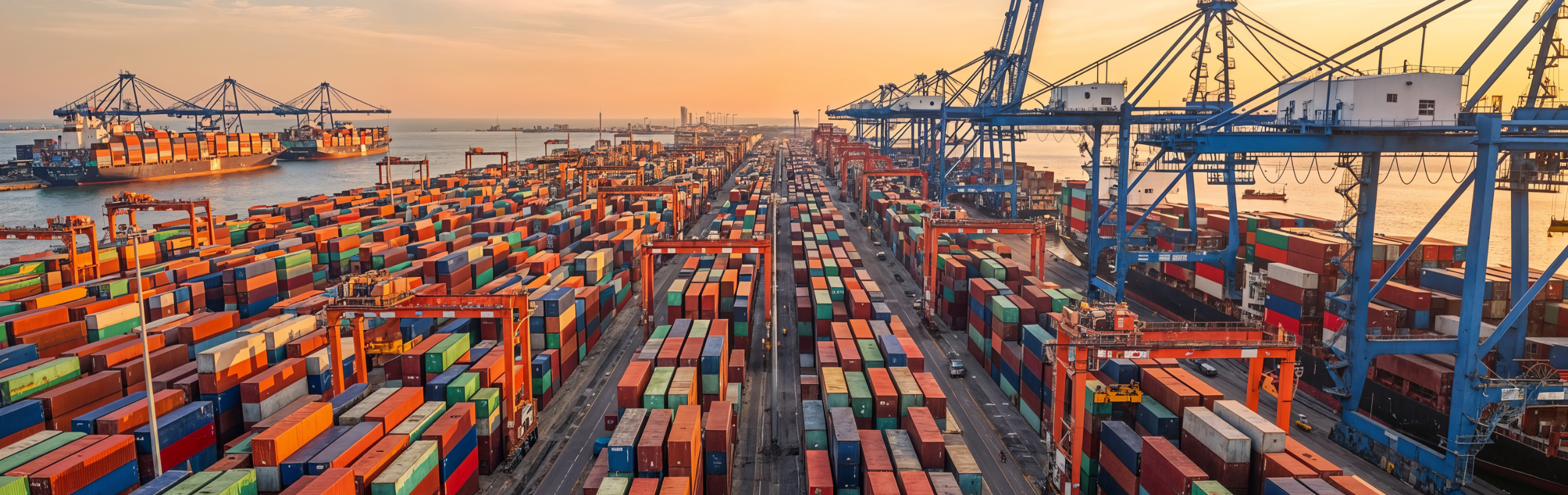
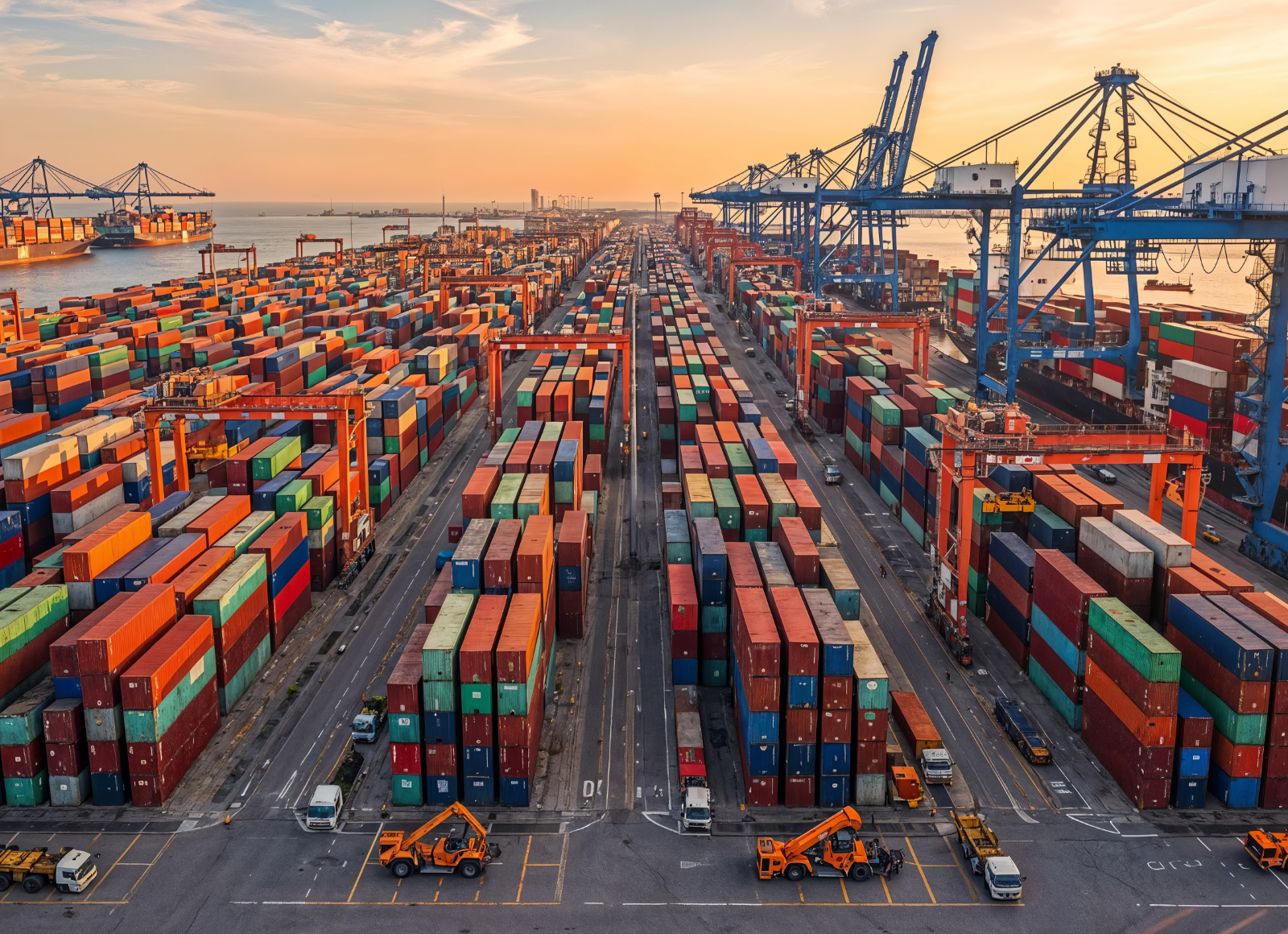
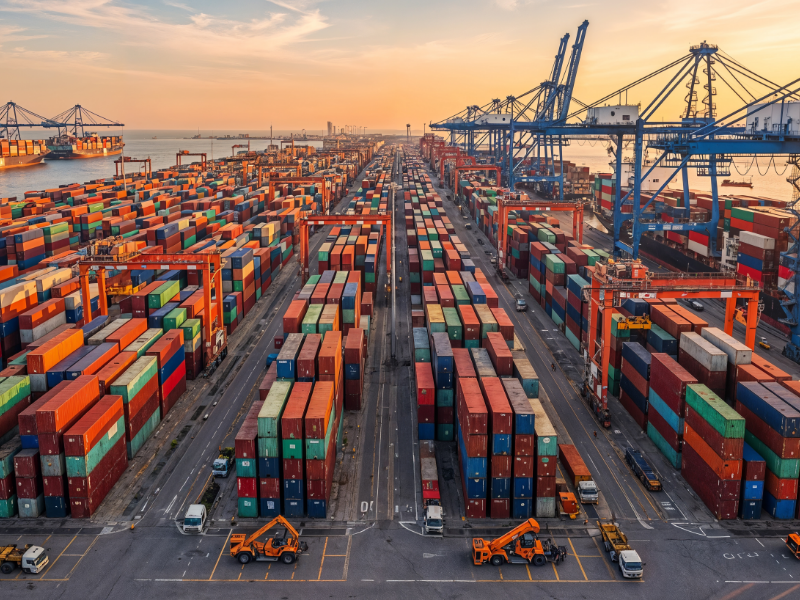


The two wars now shaping global business risk are very different in military form, but they converge in one place that every Indian board understands: the supply chain.
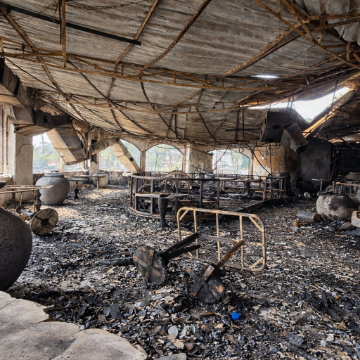
The Israel Iran war has become an immediate shock to energy, shipping, insurance, and freight economics. Reuters reports that maritime war risk premiums in the Gulf have surged dramatically, vessels have been damaged, and shipping through the Strait of Hormuz has been severely disrupted. Goldman Sachs has warned oil could move above $100 per barrel if flows do not normalise.
The Russia–Ukraine war, by contrast, remains a slower but deeper test of industrial endurance, sanctions adaptation, logistics resilience, and alliance staying power. Reuters reports that the war has entered another offensive cycle, while the Middle East crisis may also divert U.S. attention and military resources from Ukraine.
For Indian boards, the message is stark: geopolitical war risk is no longer a macro headline. It is an operating-model risk.
This is especially important for India because energy and critical inputs still carry meaningful external dependence. Official government-linked data show India’s crude oil import dependence has climbed to roughly 88%–89% in recent periods, while the government is simultaneously pushing domestic manufacturing resilience in sectors such as electronics through expanded incentives.
That means the modern board can no longer treat supply chain resilience as a procurement issue. It is now a matter of strategy, capital allocation, cyber architecture, and national competitiveness.
The new board question
The right question is no longer: Do we have alternate vendors?
It is: Can we continue to serve customers, preserve margins, protect cash flow, and restart operations rapidly if a war closes a trade lane, spikes fuel prices, freezes insurance, corrupts data, or disrupts a critical supplier two tiers below us?
That is a very different question. It requires tech enabled supply chain independence, not merely supply chain visibility.
Visibility tells you where the shipping disruption risk is. Independence gives you the ability to keep moving when problems such as supply chain disruptions arrive.
What these two wars are teaching boards
The Israel–Iran war shows that the world can move from tension to commercial paralysis very quickly. Shipping insurance can spike in days, freight lanes can choke, energy prices can reprice instantly, and working capital assumptions can become obsolete in a week. Reuters reports insurers have raised Gulf war-risk pricing sharply and India has already invoked emergency measures to boost LPG availability because of Middle East disruption.
The Russia–Ukraine war shows the opposite pattern: not a sudden seizure, but a prolonged corrosion. Over time, sanctions, commodity shifts, power disruptions, and defense-industrial pressures alter cost curves, lead times, and investment logic. What begins as a foreign conflict becomes a permanent feature of sourcing strategy.
Together, these war conflicts reveal a new truth for boards: the supply chain is now a geopolitical sensor network. It detects war before the P&L does.
What Indian boards must do now
1. Move from global optimisation to strategic optionality using enterprise risk management strategies
For three decades, many supply chains were designed for cost efficiency. That era is over. The IMF’s work on supply-chain diversification shows there is a resilience-efficiency trade-off, but also that diversification can materially reduce vulnerability under fragmentation scenarios.
Boards should therefore insist on the implementation of war risk management strategies. A redesigned sourcing model should be built on three concentric layers:
- domestic capability first for strategic inputs wherever feasible
- friend-shored regional redundancy for components that cannot yet be localised
- global flexibility for non-critical or commoditised items
This is not autarky. It is intelligent optionality.
2. Digitise the full supply chain, not just Tier 1
Most companies know their direct suppliers. Many do not know their supplier’s supplier, alternate subcomponent sites, shipping exposures, or cyber dependencies. In war conditions, that ignorance becomes expensive.
To aid the risk identification process, boards should require a live digital map of:
- supplier tiers
- plant locations
- port exposure
- energy intensity
- logistics routes
- cyber criticality
- regulatory dependency
- concentration risk by country and corridor
Without digital risk management techniques and that map, “resilience” is often only a presentation slide.
3. Create a geopolitical control tower
A modern board should ask management to establish a geopolitical risk control tower that integrates external signals with internal operations. This should combine:
- shipping and freight data
- sanctions screening
- commodity pricing
- satellite or route-risk feeds
- supplier health indicators
- cybersecurity alerts
- inventory and order-book data
The purpose is not to predict war perfectly. The purpose is to shorten reaction time and reduce the severity of operational risk.
The World Economic Forum’s Global Risks Report 2025 identifies state-based armed conflict among the top immediate global risks and emphasises the interaction of geopolitical, technological, and economic disruptions.
4. Use AI for scenario planning, not just forecasting
Traditional forecasting fails in wartime because the range of outcomes widens abruptly. Boards should push management to use AI and digital twins for scenario simulation.
Examples include:
- Hormuz closed for 15, 30, or 60 days
- Brent at $100, $120, and $140
- sanctions on a major supplier geography
- port shutdowns
- semiconductor or specialty chemical shortages
- cyberattack combined with logistics disruption
The board should not merely receive one annual risk register. It should review a rolling war-gaming dashboard showing revenue, EBITDA, cash, customer service levels, and restart time under each shock.
5. Build inventory intelligence, not inventory excess
The answer is not blindly carrying more stock. That destroys returns. The answer is precision buffers.
AI can help classify inventory by strategic criticality, lead-time fragility, substitution difficulty, and revenue dependence. This allows companies to hold more inventory only where it matters most, while reducing stock elsewhere. To ensure minimum AI-related disruptions, companies must prepare an effective AI risk management strategy.
The goal is not maximum inventory. It is minimum vulnerability.
6. Treat cyber resilience as part of supply chain resilience
In modern conflicts, cyber and physical disruption increasingly interact. A supplier outage may come through ransomware, malware, identity compromise, port software disruption, or a manipulated industrial control system before any missile lands.
Boards must therefore promote the integration of the latest supply chain technology in operations. Risk management in the global supply chain must feature the following elements –
- supplier cyber assessment
- zero-trust vendor access
- software bill of materials discipline
- backup communications
- segmented OT/IT architecture
- immutable backups and multi-cloud recovery
Supply chain independence without cyber recoverability is an illusion.
7. Align operational resilience with India’s self-reliance opportunity
Indian boards should see this moment not only as a risk but as a nation-building opening.
Government policy is already moving to deepen domestic manufacturing in critical sectors. For instance, the Electronics Component Manufacturing Scheme has been expanded materially in Budget 2026–27 to strengthen component capability and integrate India more deeply into value chains.
This means boards in India should ask a strategic question: Which imported dependency can we convert into Indian capability over the next 24 months?
That could mean components, materials, industrial software, sensors, batteries, packaging substrates, specialty engineering, or logistics-tech platforms.
The companies that answer this early will not merely survive volatility. They will gain market share when others freeze.
The governance shift boards must make
Indian boards should now place war-risk resilience into the formal governance architecture through:
- a quarterly geopolitical risk review
- stress-tested supply chain dashboards
- resilience-linked capex allocation
- board-level cyber and continuity drills
- management incentives tied to continuity metrics, not only cost savings
- clear thresholds for diversification and localisation
This also aligns with the widening emphasis on value-chain disclosures in India’s ESG framework. SEBI’s March 2025 circular further addressed assurance and value-chain disclosures in sustainability reporting, reinforcing the need for stronger oversight beyond the enterprise perimeter.
In other words, regulators are also nudging boards toward a wider lens: not just what happens inside the company, but what happens through the value chain.
The boardroom doctrine for 2026
A useful doctrine for Indian boards is this:
Do not optimise a fragile system. Build a resilient one. Then optimise within resilience.
That requires five commitments:
- know the chain
- simulate the shock
- localise the critical
- secure the digital
- rehearse the restart
The old boardroom admired lean supply chains.
The new boardroom must admire recoverable supply chains.
Because in an age where one war can create import risks and choke oil import, and another can grind logistics for years, resilience is no longer defensive. It is a source of competitive advantage that is rooted in global risk management.
And for India, it can become something even more important: a pathway from dependency risk to strategic industrial confidence.
The author of this blog is Mr. Shailesh Haribhakti, Independent Director on Large Boards, Governance Board Member, IRM India Affiliate.
FAQS
1.How do wars affect global supply chains?
- The two wars now shaping global business risk are very different in military form, but they converge in one place that every Indian board understands: the supply chain.
- Wars have the potential to close a trade lane, spikes fuel prices, freezes insurance, corrupt data, or disrupts a critical supplier.
- War shows that the world can move from tension to commercial paralysis very quickly. Shipping insurance can spike in days, freight lanes can choke, energy prices can reprice instantly, and working capital assumptions can become obsolete in a week.
- Various wars have shown that over time, sanctions, commodity shifts, power disruptions, and defense-industrial pressures alter cost curves, lead times, and investment logic.
2. How can technology improve supply chain resilience during geopolitical crises?
- Traditional forecasting fails in wartime because the range of outcomes widens abruptly. Boards should push management to use AI and digital twins for scenario simulation.
- AI can help classify inventory by strategic criticality, lead-time fragility, substitution difficulty, and revenue dependence. To ensure minimum AI-related disruptions, companies must prepare an effective AI risk management strategy.
- A supplier outage may come through ransomware, malware, identity compromise, port software disruption, or a manipulated industrial control system before any missile lands. Boards must therefore promote the integration of the following latest supply chain technologies in operations –
- zero-trust vendor access
- backup communications
- segmented OT/IT architecture
- immutable backups and multi-cloud recovery
3. Why should corporate boards treat war as a supply chain risk?
The Israel–Iran war shows that the world can move from tension to commercial paralysis very quickly. Shipping insurance can spike in days, freight lanes can choke, energy prices can reprice instantly, and working capital assumptions can become obsolete in a week.
For Indian boards, the message is stark: geopolitical war risk is no longer a macro headline. It is an operating-model risk. War conflicts reveal a new truth for boards: the supply chain is now a geopolitical sensor network. It detects war before the P&L does.
That means the modern board can no longer treat supply chain resilience as a procurement issue. It is now a matter of strategy, capital allocation, cyber architecture, and national competitiveness.
A useful doctrine for Indian boards is this: Do not optimise a fragile system. Build a resilient one. Then optimise within resilience.
Companies can build resilience by prioritising enterprise risk management strategies in their operations. Indian boards should now place war-risk resilience into the formal governance architecture through:
- a quarterly geopolitical risk review
- stress-tested supply chain dashboards
- resilience-linked capex allocation
- board-level cyber and continuity drills
- management incentives tied to continuity metrics, not only cost savings
- clear thresholds for diversification and localisation